Monday, 28 February 2011

Imperfections

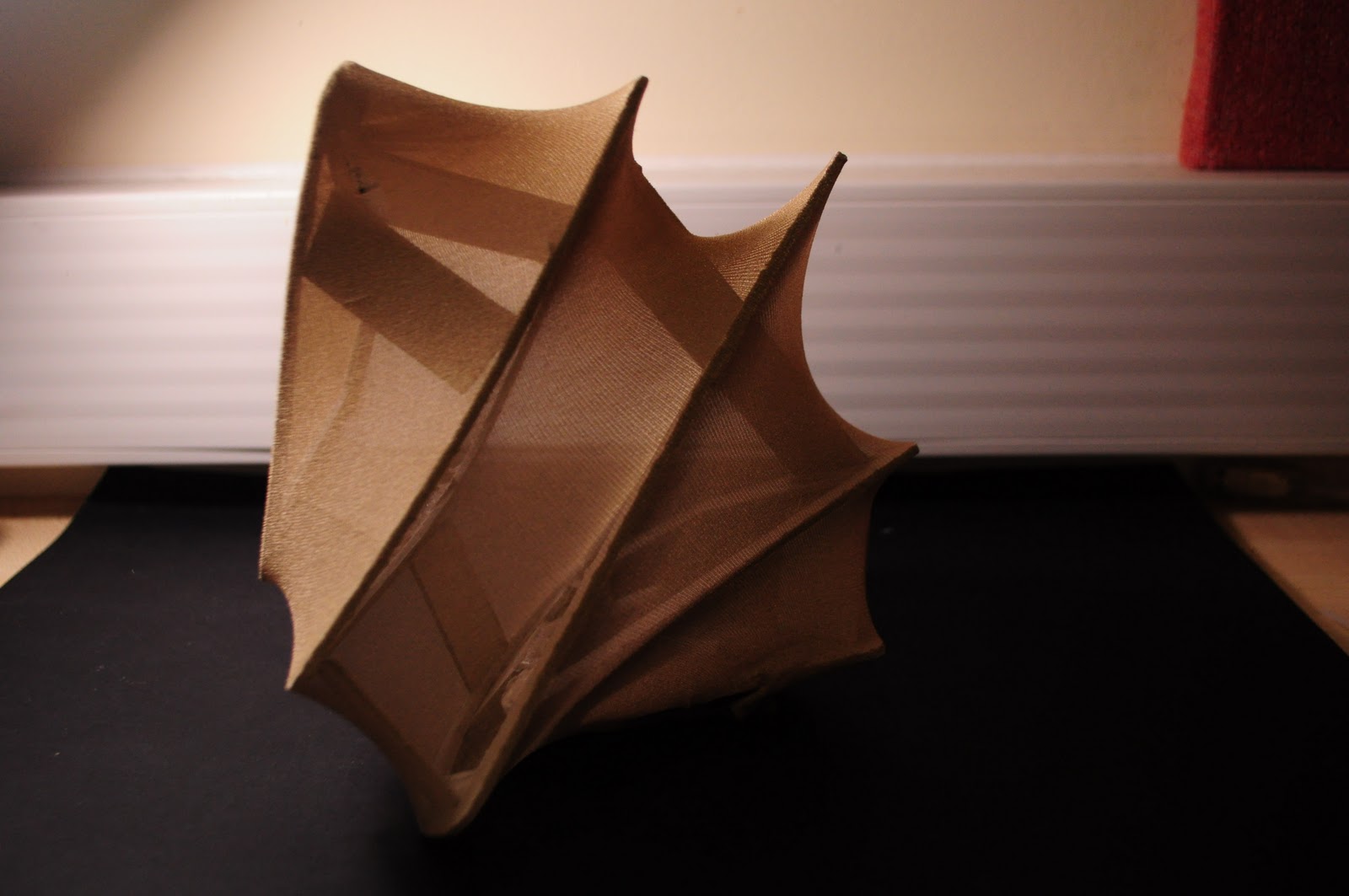
While mass production factories strive to make a so-called perfect products, I found it more interesting when things are a little off, a little different or simply unique.

I took a trip around to Brick lane and found a lot of interesting old stuff. These are my observations of faulty products and ruin surfaces.
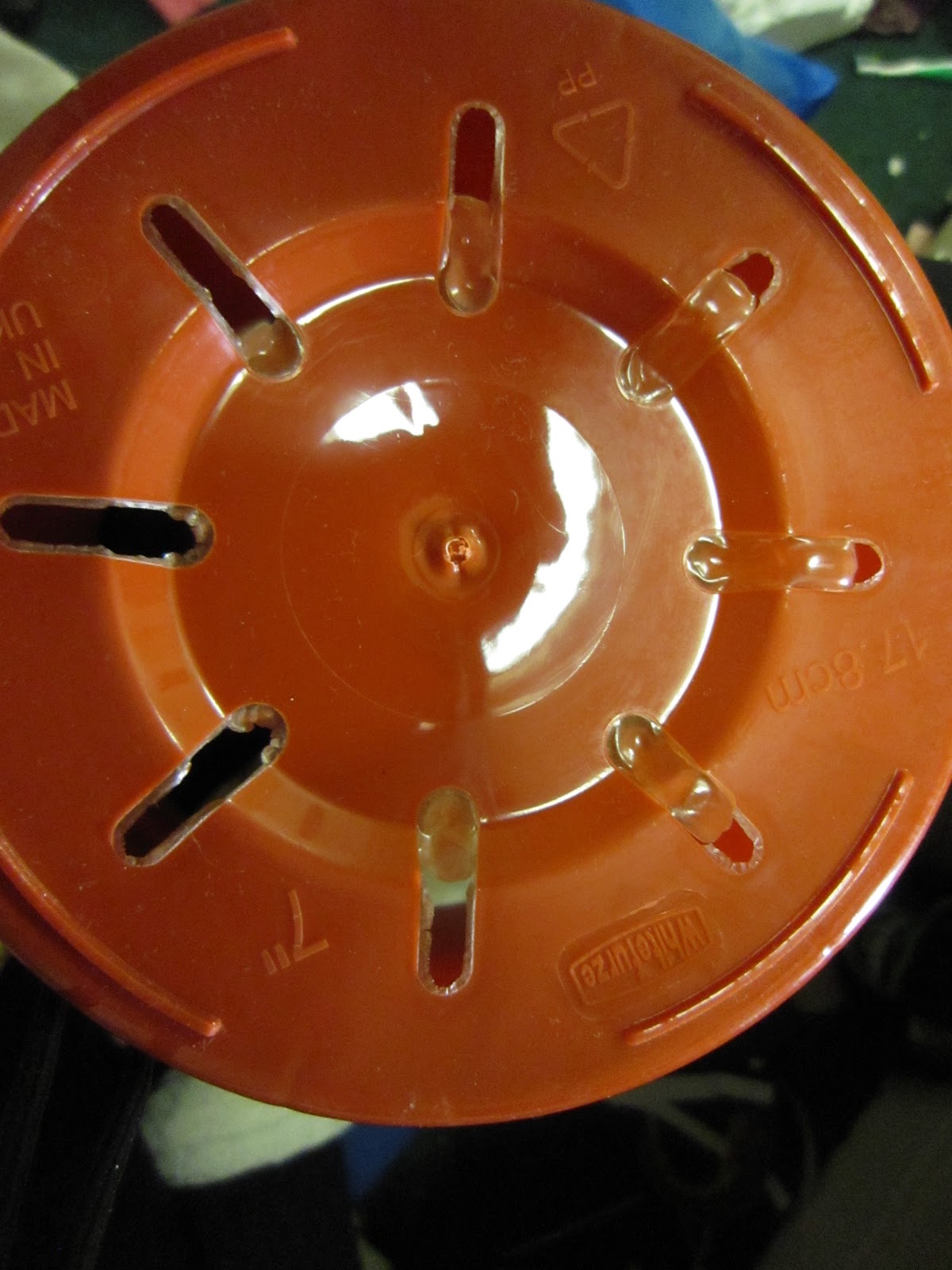
Mistake occurs on the process of piercing out the holes.


Air bubbles traps under paper. 


Process of repairing leaves scars. I find this very interesting because it shows history and character.


Found this really really interesting victorian sofa in front of a vintage store
I love the weather works on the leather texture. I think repairing an old or broken furniture is also an interesting way to go with this project.


Rashomon and Sherlock jnr


By seeing both films, SHERLOCK JNR and RASHOMON, I found that the two films conveyed such a big difference in the story line and emotional effects they have on me; yet there were some similarities.


Timing was the biggest thing that distinguished the two films; not only that, both films also owed their success to it. In Rashomon, the story was conveyed through pauses between the actions rather than the actions itself; making it a much slower-paced movie. The characters would perform a situation and always leave some long pauses, and this was where the audience fitted in. We had more time to analyse the actual actions and think about the consequences, and so felt more engaged with the story. At some points in the film, I even found myself holding in and letting out my breath as the performers were doing so. On the other hand, in Sherlock Jnr, I truly believe it would not have been half the fun to watch, if it hadn't been for the smooth, quick pace of each scene and physical movements.

"The film is presented almost as visual poetry, paying a great deal of attention to sights and images while sound and dialogue have lesser importance. It would be possible to watch Rashomon without subtitles and still capture more than a small fraction of its essence".--A film review by James Berardinelli. I totally agree with this statement. As a non native English-speaker, I was having to go back and forth between the subtitles and the acting. It was a bit of a distraction at first, however later on in the film, I found myself less dependent on the subtitles. The body language was something both films paid attention on, as the uses of speech were minimal. This encouraged the audience to strongly focus on the physical movements and facial expressions of the performers. I found this more difficult, yet more interesting to watch than some of the modern films with lines and sound effects. Some of the actions were exaggerated and bigger than life. While others, although very small, were deliberated and would stay on for longer. For instance, at the start of Rashomon when the wppdc took in a long, deep breath, his body was still, his gaze was locked. Every bit of his body pointed towards that particular breath and nothing in the frame can take away from that one small intake of air. I was fixated and was curious to see what would happen next. One comment I would make is to take out the ending where three men were discussing how not to trust anyone. In my opinion, the whole film had already been persuading that concept through four different flashbacks of each characters.

For the project I am working on, I looked at a Japanese philosophy called 'Wabi Sabi'. It is a concept of beauty in nature which roots in the japanese culture for more than 600 years. It was interesting for me to see an old film (Rashomon) made by a Japanese filmmaker and to see through his point of views. I saw a lot of nature references from the setting he chose and the way the camera pans. Through his film, Akira Kurosawat, showed a great appreciation of the imperfections in nature. The rain shelter, for instant, was decaying away with time yet he shot it so perfectly that the old wreck looks stunning. Worn surfaces and broken structures also appeared throughout the films.

Sunday, 12 December 2010

Floating bridge.

My sketch models made from thighs and card. 
The external skin that could work in my design needs to exert force inward on the internal structure.
And the internal needs to exert the same force, so that these forces could be balance and the structure would stay up like these.


I broke the card structure because the thigh doesn't allow enough stretch!


My sketch up of the floating bridge to show scale and roughly how it would float.


To carry

An internal structure that carries the weight of an external skins; skeletons.


I love snakes skeletons because they are simple but very effective.

My development in the idea of carrying inspired by skeleton structures.
I like the idea that a form, which is being carried by its internal structure, can also carrying something inside it (in this case, people)

A connecting bridge from ground onto a steep mountain site, where walking might not be possible.
I also look at how external skin can be supported from the inside.


Clear connection between the skeleton shape and some bridges
Bridge = carries people from one place to another.

Movements can be created in a structure by using pivot and sockets....inspired from the snake vertebrate.

Initial designs of a floating bridge.

10x10x10

Interpretation of 10x10x10 was a collection of something similar.
I collected 10 leaf of the similar size and colour. Then, cut a square of 10x10 mm on all of them.
I really like the contrast between the organic and man-made.

Going around Chelsea recording everything that was 10mm 10cm or 10 m.


Linking back to the original idea of collection.

Drawing Chelsea's contours and then shifting them by 10 cm down and 10 cm left.


10cm radial line around the point where something touches the ground.


Taped ten stripes on the bench and another ten up the backrest. We also played with the 3 dimensional of the object. I really like this piece because it creates a kind of illusion of lines going into different direction and dimensions. 


I randomly selected ten bricks on the wall and draw their outlines.

We didn't know what to do with the 10 flames, so we stacked them up each layer slightly turned.
I think this actually works quite well because I can quickly relate this to my "collection of the similars" idea.
Great fun today!